
Optimal Timing for Storm Restorations
Storm restorations are most effectively performed during periods of stable weather, typically in late spring through early fall. Conducting repairs outside of storm seasons reduces the risk of weather-related delays and ensures safety for restoration crews. The optimal window varies based on regional climate patterns and the specific type of damage experienced.
These seasons generally offer the most suitable weather conditions for storm restorations, with minimal rain and moderate temperatures. This period allows for thorough repairs before the next storm season begins.
Performing restorations immediately after storms ensures damage is addressed promptly, reducing the risk of secondary issues such as leaks or structural deterioration.
Scheduling restorations during off-peak times can lead to quicker service, potentially lower costs, and better availability of skilled contractors.
Avoiding restoration during winter or periods of heavy rain minimizes delays and safety hazards, ensuring quality work and adherence to schedules.
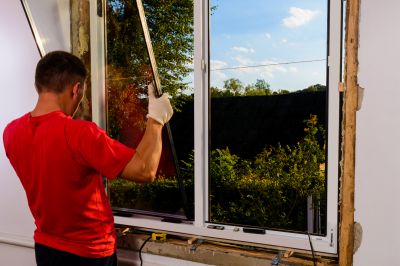
Ways to make Storm Restorations work in tight or awkward layouts.
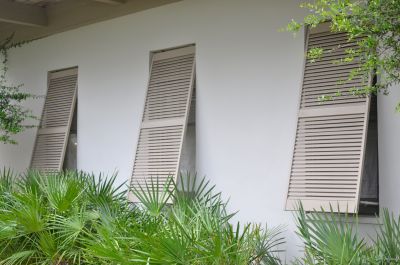
Popular materials for Storm Restorations and why they hold up over time.

Simple add-ons that improve Storm Restorations without blowing the budget.
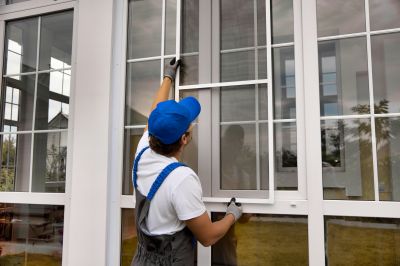
High-end options that actually feel worth it for Storm Restorations.
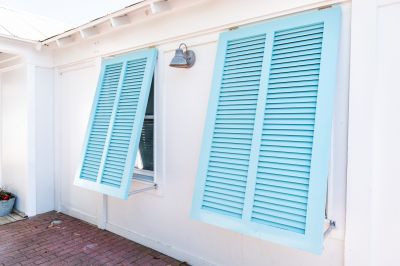
Finishes and colors that play nicely with Storm Restorations.
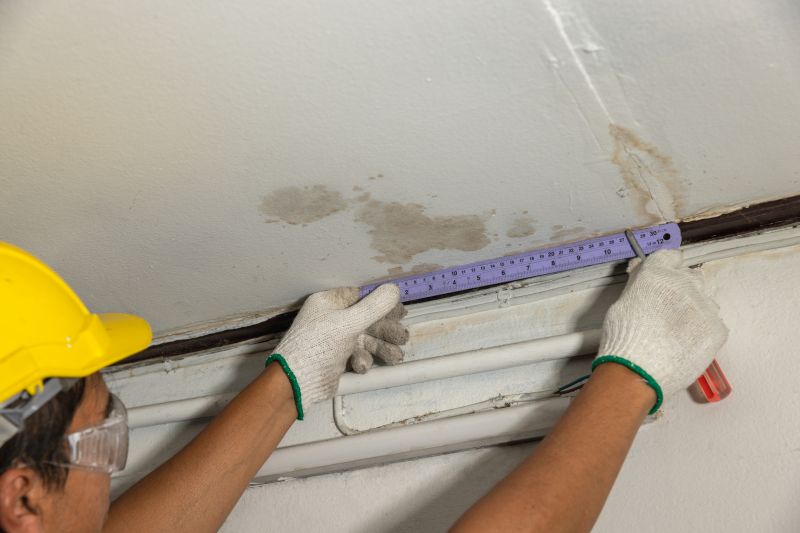
Little measurements that prevent headaches on Storm Restorations day.
| Season | Advantages |
|---|---|
| Spring | Optimal weather, early damage repair |
| Summer | Consistent conditions, quick project completion |
| Fall | Prepares property before winter |
| Winter | Limited, only if necessary during mild weather |
Storm restorations involve repairing damage caused by severe weather events such as high winds, hail, and heavy rain. These repairs are essential for maintaining structural integrity, preventing further deterioration, and restoring property value. The process includes assessments, debris removal, structural repairs, and weatherproofing measures. Proper timing ensures that restorations are completed efficiently and effectively, minimizing disruption and long-term costs.
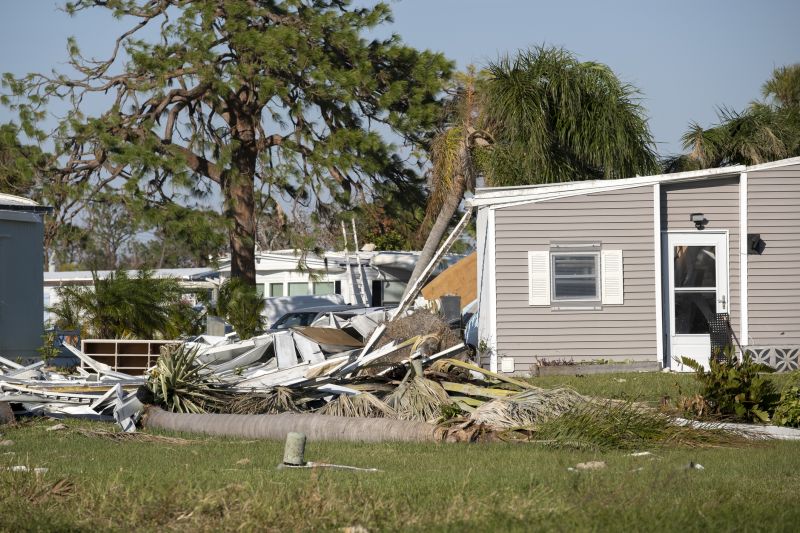
A 60-second routine that keeps Storm Restorations looking new.

A frequent mistake in Storm Restorations and how to dodge it.

Small tweaks to make Storm Restorations safer and easier to use.
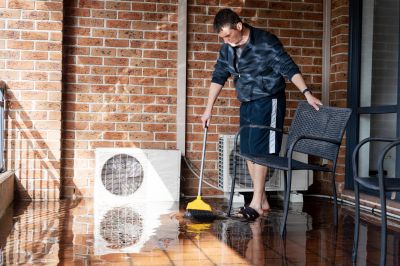
Lower-waste or water-saving choices for Storm Restorations.
Individuals interested in storm restorations are encouraged to contact for assessments and scheduling. Timely repairs help ensure safety, protect property value, and prevent additional damage from future storms.